Termite Treatment in Suffolk County: Protecting Your Home from Subterranean Termites
Subterranean termites cause billions in damage annually. Suffolk County homes — especially older properties in Babylon and Islip — face serious termite risk. Here's what you need to know.
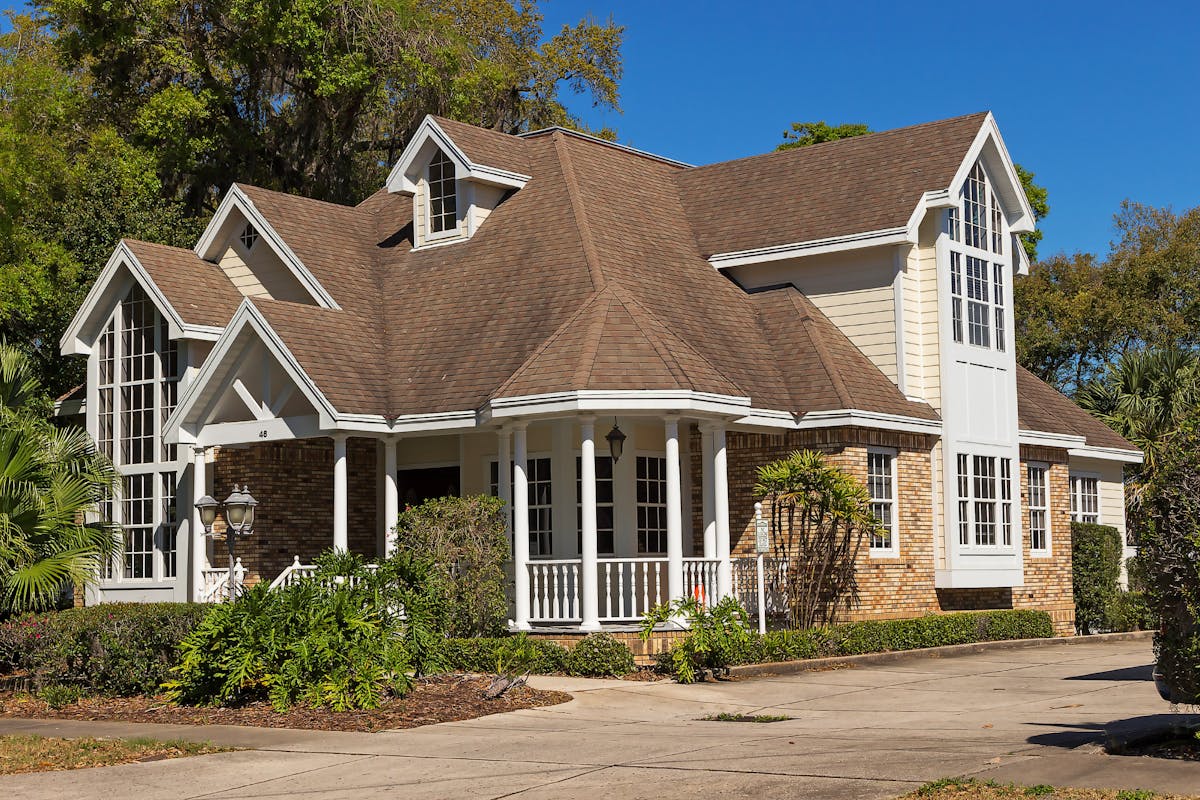
Termites Are a Serious Threat Across All 10 Suffolk County Towns
When Suffolk County homeowners think about home threats, they often worry about floods, nor'easters, or roof damage. But one of the most financially devastating threats to homes across Babylon, Islip, Huntington, Brookhaven, Smithtown, Riverhead, Southampton, East Hampton, Shelter Island, and Southold happens silently, underground, and around the clock — subterranean termites.
Eastern subterranean termites (Reticulitermes flavipes) are the most destructive wood-destroying insect in North America. A mature colony can contain hundreds of thousands of workers consuming wood continuously, and because they eat from the inside out, the damage is often extensive before any visible sign appears. Suffolk County's humid coastal climate, combination of older and newer housing stock, and wood-framed construction throughout the county make termite risk a reality that every homeowner must take seriously.
Why Older Suffolk County Homes Face Elevated Risk
The housing stock in towns like Babylon and Islip is among the most vulnerable in the county. Many homes in the Babylon hamlet areas — West Babylon, Lindenhurst, Amityville, North Babylon — were constructed in the post-World War II building boom of the late 1940s through the 1960s. These homes were built with wood-framed basements, crawl spaces, and subfloor structures that are now decades old and in many cases close to or in contact with soil — ideal conditions for termite access.
Similarly, the Islip town corridor — covering Bay Shore, Brentwood, Central Islip, East Islip, Great River, Islip, Islip Terrace, Oakdale, and West Islip — contains thousands of homes from the same era. Older drainage systems, settled foundations, and shifting soil can create moisture accumulation near wood-framing members, which termites find irresistible.
Modern homes built on concrete slabs are not immune either — subterranean termites can enter through expansion joints, cracks in the slab, and utility penetrations as narrow as 1/32 of an inch.
Recognizing the Signs of Termite Activity
Spotting termites early can save tens of thousands of dollars in structural repairs. Watch for:
• Mud tubes on foundation walls: These pencil-width tunnels running from soil to wood are the most reliable indicator of Eastern subterranean termite activity. Check basement walls, crawl space foundations, and exterior foundation surfaces.
• Swarmers and discarded wings: Termite swarms in Suffolk County typically occur between March and May. Finding winged insects or piles of discarded wings near windows and doors signals an active colony nearby.
• Hollow-sounding wood: Termites eat wood along the grain, hollowing out structural members while leaving a thin outer shell. Tap floor joists, window sills, and door frames — a hollow sound indicates possible feeding.
• Bubbling or blistering paint: Moisture produced by termite activity inside walls can cause paint to bubble and peel in a pattern that resembles water damage.
• Sagging floors or ceilings: Advanced infestations that have compromised floor joists or support beams can cause visible structural changes.
• Frass: Small, wood-colored pellets near wooden structures — most common with drywood termites but occasionally seen in severe subterranean infestations.
Professional Termite Treatment Options in Suffolk County
At Suffolk County Pest Control, we offer proven termite treatment solutions backed by years of experience protecting homes across all 10 Suffolk County towns:
Liquid Termiticide Barrier Treatment
Professional-grade liquid termiticides are applied in a continuous trench-and-treat method around your foundation perimeter. Modern non-repellent termiticides are undetectable to foraging termites — they pass through the treatment zone, acquire the product, and transmit it to nestmates through grooming and trophallaxis, eventually eliminating the entire colony. This is the fastest-acting treatment method and provides reliable structural protection.
Bait Station Systems
Termite bait stations are installed around the perimeter of your property at regular intervals. Foraging workers find the bait, recruit additional workers, and the slow-acting active ingredient is transferred throughout the colony. Bait systems are ideal for properties where soil drilling near the foundation is not possible, and they provide long-term monitoring capability.
Wood Treatment and Remediation
For areas with active infestation, we apply foam and dust termiticides directly into wall voids and infested wood members to achieve rapid knockdown of termites in critical structural areas.
Annual Monitoring
After initial treatment, annual inspections and monitoring visits are included in our protection programs to ensure ongoing security.
The True Cost of Delaying Treatment
The average termite damage repair in the United States runs into the thousands — and severe infestations can require structural repairs costing $10,000 to $50,000 or more. Critically, standard homeowner insurance policies in New York do not cover termite damage because it is classified as a preventable maintenance issue.
Every month without treatment is another month of potential structural degradation. Suffolk County Pest Control can perform a thorough termite inspection and have treatment in place quickly.
Call (631) 562-5492 today for a free termite inspection for your Suffolk County home. We serve all towns — from Babylon and Islip to Southampton, East Hampton, and Riverhead.