Termite Inspection in Babylon and Islip: The 1950s–1970s Housing Risk Every Homeowner Must Know
Homes built in Babylon and Islip during the postwar housing boom carry elevated termite risk. Learn why older wood-framed construction in these towns is especially vulnerable and what a professional inspection reveals.
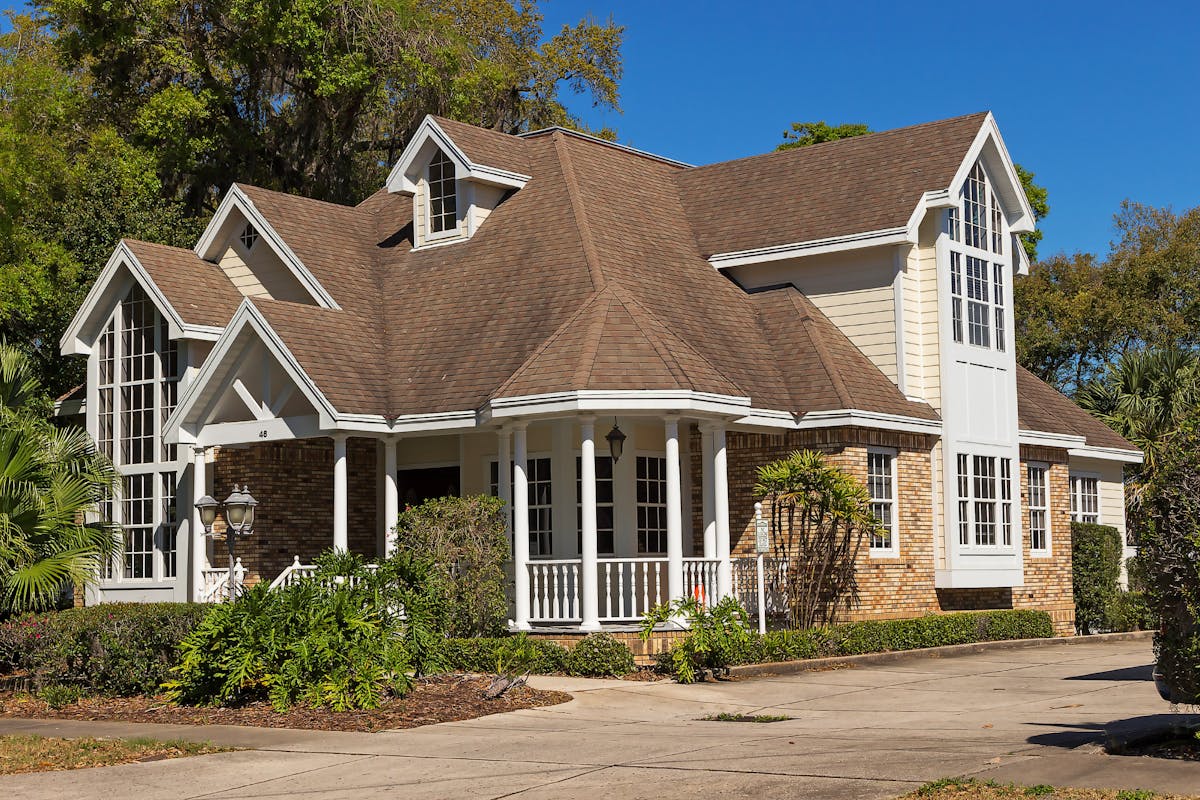
Babylon and Islip: Two Towns With a Termite Problem Built Into Their History
The towns of Babylon and Islip together represent one of the largest concentrations of postwar residential housing on Long Island. From the late 1940s through the 1970s, these South Shore towns were developed at extraordinary speed to house the returning GIs and their families who were transforming the suburban landscape of Suffolk County. Thousands of homes went up in rapid succession — ranches, capes, and split-levels that filled in the neighborhoods of West Babylon, Lindenhurst, Amityville, Bay Shore, Brentwood, Islip Terrace, and dozens of other communities.
Those homes are now between 50 and 75 years old. And that age, combined with specific construction practices of the era, makes them significantly more vulnerable to Eastern subterranean termite damage than most homeowners realize.
What Made Postwar Construction Vulnerable to Termites
Wood-to-Soil Contact
Homes built in the late 1940s through the 1960s in Babylon and Islip were frequently constructed with wood members that made direct or near-direct contact with soil. Sill plates resting on minimally treated foundations, wood porch posts set in soil or concrete that has since cracked, and wood stair stringers in contact with ground-level concrete were common construction features that provided termites a direct path from soil to structural wood.
Modern construction codes require specific clearance between wood framing and soil — but retrofitting older homes to meet these standards is rarely done unless a specific problem is identified. Many Babylon and Islip homes still have the original wood-to-soil contact points that existed when they were built.
Crawl Space Construction
Many homes in the Babylon hamlet areas — North Babylon, West Babylon, Copiague — were built with partial crawl spaces under additions, porches, and expanded living areas. Crawl spaces in older Suffolk County homes often have inadequate vapor barriers, poor ventilation, and wood members that are perpetually exposed to high moisture levels from ground evaporation. This chronic moisture in crawl spaces creates ideal conditions for Eastern subterranean termites, which require moist soil to survive and thrive.
Foundation Settling and Cracking
After 50 to 70 years, the foundations of Babylon and Islip's older homes have experienced significant settling. Hairline cracks in concrete block foundations — extremely common in homes from this era — provide termite entry points. Eastern subterranean termites can enter through cracks as narrow as 1/64 of an inch. A foundation that looks structurally sound to a homeowner may have multiple termite access points that only a trained inspector recognizes.
Accumulated Soil Level Changes
Decades of landscaping, soil additions, and organic mulch accumulation have raised the finished soil level around many older Babylon and Islip homes. What may have been adequate clearance between wood framing and soil when the home was built in 1955 may now be a near-contact condition due to 70 years of mulching and gardening. This gradual soil level creep is one of the most underappreciated termite risk factors in aging residential neighborhoods.
Understanding Eastern Subterranean Termites
Eastern subterranean termites (Reticulitermes flavipes) are found throughout Suffolk County and are the only termite species of structural significance in New York. Their biology makes them particularly destructive:
- Colonies can contain 200,000 to 500,000 workers, all consuming wood around the clock
- Workers are sterile and do not reproduce — their entire purpose is foraging and feeding the colony
- A single colony can have multiple foraging galleries extending outward from the primary underground nest
- Termites eat wood along the grain, preserving a thin shell of surface material while hollowing out the structural interior — this is why damage is often invisible until it is severe
- Annual swarm events in March through May send winged reproductives out to establish new colonies — a mature property may have multiple colonies foraging from different locations simultaneously
What a Professional Termite Inspection Covers
A thorough professional termite inspection of a Babylon or Islip home goes significantly beyond a visual walk-around. Suffolk County Pest Control's inspections include:
Foundation perimeter examination: Every inch of the exterior foundation is checked for mud tubes, damaged wood, soil contact conditions, and evidence of prior swarm activity such as discarded wings.
Basement and crawl space inspection: Floor joists, sill plates, bridging members, and any wood near plumbing are probed and examined for termite galleries, moisture damage, and hollow sections.
Interior first-floor examination: Window sills, door frames, hardwood floors near exterior walls, and any areas showing unexplained settling, sticking, or surface irregularity are evaluated.
Utility and pipe penetrations: Termites frequently enter through the gaps around plumbing and utility lines passing through the foundation — these are specifically checked.
Documentation and reporting: A complete written inspection report documents findings, photographs problem areas, and provides treatment recommendations and cost estimates.
When You Need a Termite Inspection
There are specific circumstances when a termite inspection for a Babylon or Islip home should be treated as urgent:
- You are buying or selling the home — real estate transactions in New York frequently require Wood Destroying Insect reports
- You have found winged insects (swarmers) near windows or doors in spring
- You have discovered mud tubes on your foundation, even small or old-looking ones
- You have noticed hollow-sounding flooring, sagging areas, or doors and windows that have begun sticking without obvious cause
- You have not had a professional termite inspection in more than three years
- Adjacent neighbors have had termite treatment — colonies forage widely and treatment at one property can drive termites toward untreated adjacent structures
The Cost of Waiting
The average termite damage repair for a Suffolk County home runs into the thousands of dollars — and homeowners' insurance policies in New York specifically exclude termite damage as a preventable maintenance issue. Early detection means treatment that eliminates the colony before structural repair is needed. Late detection means both treatment costs and potentially significant remediation.
Call Suffolk County Pest Control at (631) 562-5492 to schedule a professional termite inspection for your Babylon or Islip home. Our licensed inspectors know the specific construction types and risk factors in these towns and will give you an honest, thorough assessment of your property's termite status.